If you are wondering how to become a photojournalist, start by shooting stories close to home, finding a mentor and learning the ethics code. Study helps some people, part-time persistence helps others. Expect years, not months.
This guide is part of the wider topic of italian photojournalism, which gathers related reading on the craft and its history.
| Item | Value |
|---|---|
| Annie Sakkab: first gig to full-time photography | Almost eight years |
| Jeffrey Brown: start to first small income | A little over one year |
| Jeffrey Brown: small income to all of his income | About six years |
| Sakkab’s photojournalism program at Loyalist College | Two years |
| NPPA Code of Ethics, as reported in June 2009 | Nine numbered standards |
The career timings come from a Format magazine guide published in 2016, and the code count from an iMediaEthics report. These figures can change, so check the sources before you rely on them.
What does a photojournalist actually do?
The Format guide says photojournalism is a photography career path that requires both skill and passion. It adds that a photojournalist relies only on images to tell a narrative story.
The same guide describes the settings as varied: dangerous war zones, crowded political scrums and insulated communities. Conflict work is one branch of the job, and the guide to italian war photographers looks at it more closely.
Most beginners never start there. The sources below show people starting with school sports, local stories and student newspapers.
Study or build up from part-time work
The Format guide notes that for some professionals the path began as part of their studies, and for others it evolved over a long period from a part-time passion. Neither route is the “correct” one.
The people profiled in these sources used a mix of these steps:
- A documentary workshop: Annie Sakkab says a 2008 workshop with Jack Picone opened her eyes to social documentary photography.
- A formal program: she later completed a two-year photojournalism program at Loyalist College in Ontario, starting in 2013.
- A student newspaper: Daniel Bersak, in an MIT thesis biography, joined the staff of The Tech after a documentary photography and photojournalism course. He rose to photo editor and began taking freelance assignments.
Sakkab also credits feedback and criticism from industry professionals and editors for pushing her work forward. A course gives you structure, but feedback is what you carry on using afterwards.
Build experience close to home
Jeffrey Brown’s first paying gig was photographing high schools for a sports magazine in western Kentucky. His advice is to talk to the people in your neighbourhood and around your town, because that is how he found stories.
He also says not to be afraid to approach someone you want to photograph. In his words, everyone has a story to tell and most people will be happy to talk.
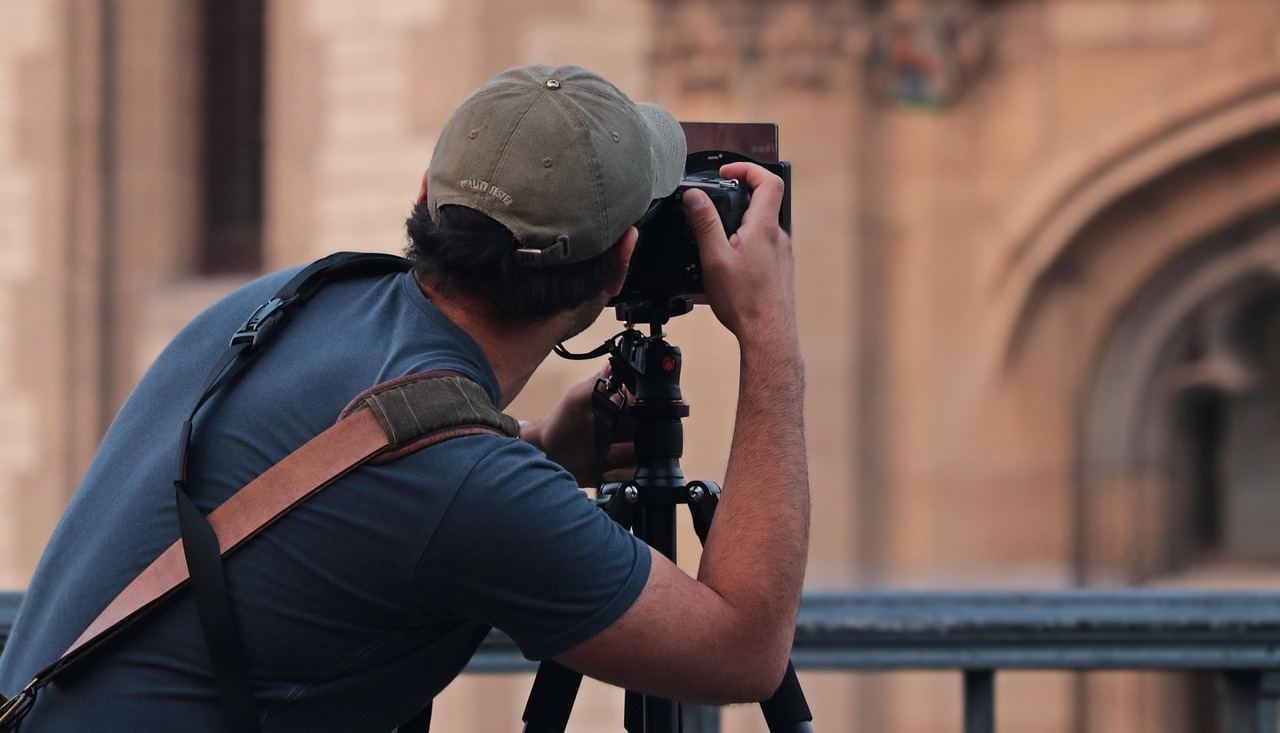
Brown also names a mentor, someone with a lot of experience, as one of the most important things in his growth. A practical order of work, drawn from these accounts:
- Pick a story in your own community and talk to the people in it.
- Shoot it, then ask a more experienced photographer for honest feedback.
- Read the NPPA Code of Ethics before you publish anything.
- Add a workshop, course or student-paper role if you want structure.
- Look for small paid work, as Brown did with a regional sports magazine.
Learn the ethics before you publish
The National Press Photographers Association (NPPA) code of ethics, as iMediaEthics reported it, sets out a list of standards. Its preamble warns that photographs can also cause great harm if they are callously intrusive or are manipulated.
Four of them matter on day one:
- Be accurate and comprehensive in the representation of subjects.
- Resist being manipulated by staged photo opportunities.
- Keep editing within the integrity of the image’s content and context.
- Do not pay sources or subjects, or reward them materially, for information or participation.
The same report notes that photojournalist Allan Detrich was fired by the Toledo Blade for banned photo alterations. Mistakes here end careers, and the guide to photojournalism ethics goes deeper into such cases.
NewseumED lists a photo ethics lesson plan of 30-60 minutes that begins with reading the NPPA code and then works through scenarios. It is written for classrooms, but the exercise works on your own too.
How long does it take?
Longer than most people expect. Sakkab’s first gig, photographing newborn twins, was in 2009. She went back to school in 2013, and says it took almost eight years to find her way, adding that she still feels she is not there yet.
Brown’s timeline was shorter, though still gradual. Within a little over a year he was making a small income, and about six years later it had become all of his income, as of the Format interview in 2016.
The Format guide also frames the backdrop: photojournalists have worked in an ever-changing atmosphere since the golden age of photojournalism ended in the 1970s. Plan for persistence, not a single break.
Frequently asked questions
Do you need a journalism degree to become a photojournalist?
Show answer
The sources do not describe a single required route. For some professionals the path began in school, and for others it grew from a part-time passion. Your portfolio, feedback and ethics matter in both cases.
Do you need a newsroom job to make news photographs?
Show answer
Not for every picture. An MIT thesis notes that the Pulitzer Prize winning photograph of a firefighter holding a baby after the 1995 Oklahoma City bombing was taken by Charles H. Porter IV, who was employed as a utility worker and not as a newspaper photographer at the time. Treat that as an exception rather than a plan.
Can you publish an AI-generated image as a news photograph?
Show answer
A statement of principles from the Writing with Light movement, which a photojournalist says he helped launch in 2023, says one should not publish a photorealistic synthetic image made by artificial intelligence and pretend that it is an actual photograph. Any deviation should be explained in a caption, credit or icon.
Why does credibility matter so much?
Show answer
The same photojournalist writes that the only thing of value a journalist can hold is credibility. That is why the NPPA standards focus on accuracy, context and not altering events.