Heading to a photography show and worried about doing something wrong? Good photo exhibition etiquette comes down to a few habits: read the signs, keep your hands and flash away from the work, and give other visitors room.
This guide is part of the wider set of articles on photo exhibitions, so treat it as a quick checklist before your next visit.
| Item | Typical rule |
|---|---|
| Flash photography | Strictly banned in art exhibitions |
| Selfie sticks | Not allowed at major galleries and exhibitions |
| Professional cameras | Banned at some exhibitions, especially painting shows |
| Touching the work | Hands off unless the exhibition is interactive |
| Food and drink | Not allowed in the exhibition space |
| Bags and umbrellas | Often checked in the lobby |
Rules change from venue to venue, so check the sources before you rely on them: the Jakarta Post list of common exhibition rules from May 2018 and the Mariners’ Museum etiquette post from June 2021. Always confirm the policy of the venue you are visiting.
Before you walk into the gallery
Every venue sets its own policy, so the first habit is to read the signs and ask staff when you are unsure. CASS Contemporary’s visitor guide says to always look for signs or ask staff before taking photos.
The Marshall Gallery makes the same point: some galleries don’t allow photography, some don’t allow food or drink, and some have age restrictions.
Expect a bag check at larger venues. The Mariners’ Museum notes that museums often ask you to check backpacks or umbrellas in the lobby, mainly to prevent accidental collisions with objects and other visitors. Wet umbrellas also leave water trails that can be a slip hazard.
A little preparation helps too. This short checklist covers most of it:
- Look up the venue’s photography rule before you go.
- Pack light and leave the selfie stick at home.
- Eat beforehand, since the Jakarta Post suggests having a nice meal before you go and enjoying the artworks comfortably afterward.
- Silence your phone before you enter.
- Pick up the press release or list of works at the entrance.
That last step pays off. Complex advises visitors to educate themselves with the press release, which can give you the artist’s background, details on the pieces and the materials they’re made of, pricing, and much more.
Can you take photos at a photography exhibition?
Often, yes. As the Mariners’ Museum noted in its June 2021 post, most museums allow photography for personal use in the galleries.
A “No Photography” sign can still point to usage restrictions related to copyrights, owner permissions, or artist requests, and sometimes it is a crowd control measure to keep people moving. When the work on the wall is someone’s photograph, the copyright and artist-request reasons are worth keeping in mind.
Treat flash as off-limits everywhere. The Jakarta Post says flash is strictly banned in art exhibitions because overexposure to light may change the colours of artworks. The Mariners’ Museum adds that textiles, manuscripts, and watercolors fade in strong light, and that if everyone takes a flash photograph the damage adds up.
Equipment and selfies bring their own rules, according to the same Jakarta Post list:
- Major galleries and exhibitions around the world don’t allow selfie sticks.
- Some exhibitions ban professional cameras, especially in painting exhibitions, because of the risk of the artworks being duplicated.
- Selfies are allowed in museums, but don’t hog an artwork as a background for a long time; several museums have set a time limit.
Courtesy matters while you shoot. CASS Contemporary says to avoid blocking artwork or stepping in front of other visitors while taking your shot. The Marshall Gallery adds that you should not take pictures of other people without their permission.
If you post your images online, the Jakarta Post reminds readers to always credit the artists as a form of appreciation.
Keep your distance from the work
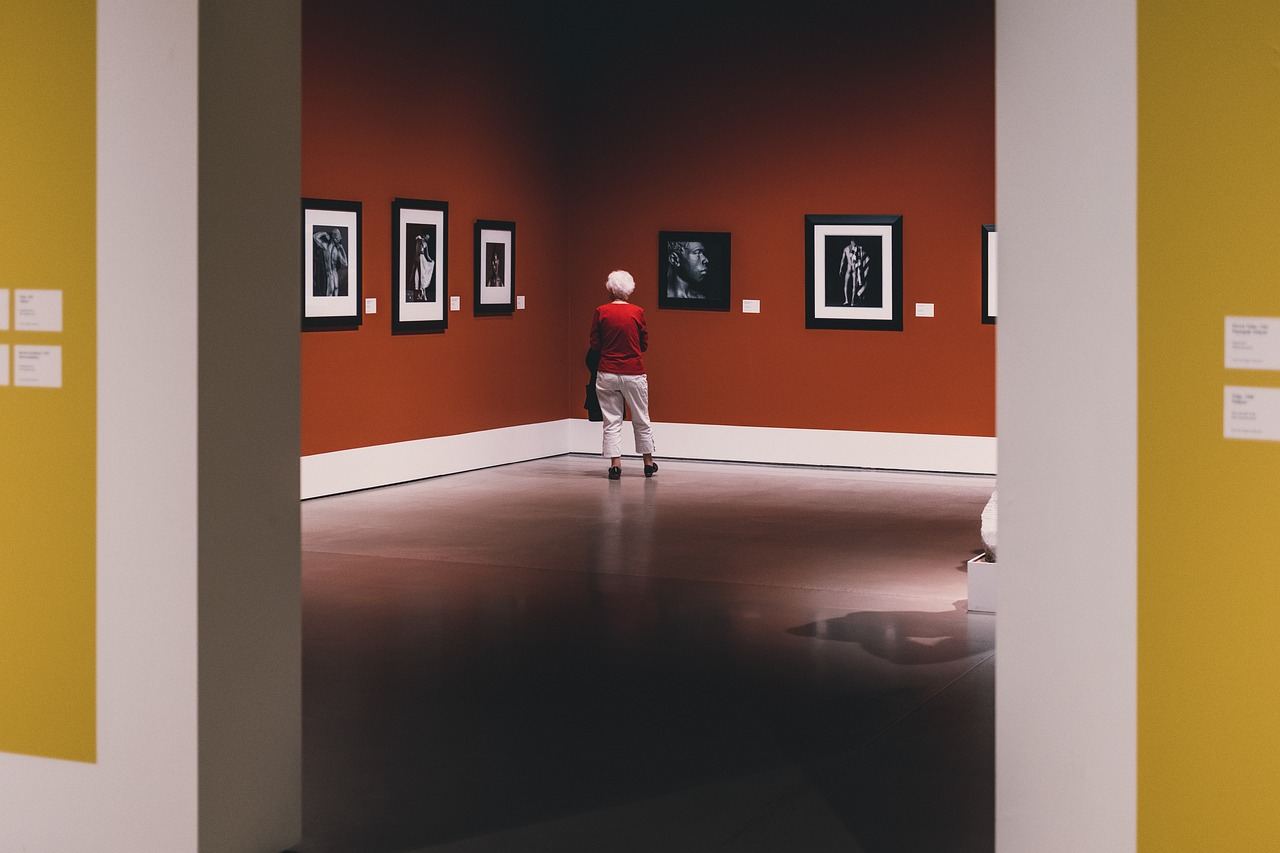
The simplest rule is don’t touch. CASS Contemporary explains that the natural oils and dirt on our hands, even when invisible, can cause long-term damage, discoloration, or erosion. The Jakarta Post puts it more bluntly: moisture and bacteria from your fingers could ruin the artwork.
No barrier does not mean permission. The Jakarta Post notes that several galleries don’t place a border line between the artworks and visitors, but this does not mean visitors can touch them. CASS Contemporary offers a good rule of thumb: stay behind any rope, line, or barrier the museum provides.
Display cases need care as well. The Mariners’ Museum warns against leaning on vitrines, because they are designed to keep out dust, not support weight.
Distance also protects the work from small environmental changes. The same museum says paper and paintings can be susceptible to tiny amounts of humidity change, which can cause microcracking, curling, and even corrosion of metal-based pigments. That is one reason a gallery wants you a step back.
Sharing the room with other visitors
A crowded gallery runs on small courtesies. These habits come up again and again in the sources:
- Keep your voice low. CASS Contemporary suggests speaking in a soft, conversational voice, as though you’re in a library.
- Silence your phone and avoid taking calls inside the galleries.
- Don’t stop suddenly in the middle of a walkway to check your map or phone; step aside instead.
- If a piece is drawing a crowd, wait your turn rather than pushing in.
- If someone is absorbed in a single piece, the Marshall Gallery says to wait until they’ve moved on before starting a conversation.
Staff are part of the picture. CASS Contemporary says that when staff ask you to step back or lower your voice, it is important to comply politely and without argument.
Food, drink and gallery openings
Keep food and drink out of the exhibition space. The Jakarta Post says they disturb others and put artworks at risk, while CASS Contemporary tells visitors to keep snacks, gum, and drinks in their bag until they reach a designated café or break area. The Mariners’ Museum sums up the logic: it is much easier to maintain an object’s condition than it is to clean it.
Openings feel different from a quiet weekday visit. Complex points out that you may actually get to meet the artist and learn about their work and process. The same piece adds a simple warning: if you get free drinks, don’t get belligerently drunk.
Take good manners on the road
Once you know the basics, you can travel with confidence. If you need somewhere to start, these photo exhibition ideas can help you choose what to see next.
Planning a longer trip? Our guide to photography festivals in italy is a good place to look, and the same habits apply at every venue.
Frequently asked questions
Can I use flash at a photography exhibition?
Show answer
No. The Jakarta Post list from May 2018 says flash is strictly banned in art exhibitions, because overexposure to light may change the colours of artworks.
Is it acceptable to take selfies in front of the work?
Show answer
Usually, but be brief. The Jakarta Post says selfies are allowed in museums, yet you shouldn’t hog an artwork as a background for a long time, since other people want to enjoy it too.
Why do I have to leave my bag or umbrella at the desk?
Show answer
The Mariners’ Museum explains in its June 2021 post that the bag ban is mainly to prevent accidental collisions with objects and other visitors.
What should I do if I’m unsure about a rule?
Show answer
Ask. CASS Contemporary recommends looking for signs or asking staff before you take photos, and the Marshall Gallery suggests asking an attendant if you are not sure what the rules are.