Stuck on what to show? Good photo exhibition ideas start with one theme you can explain in a sentence, then a format and venue that fit your budget. Pick the story first, then the space.
Planning the whole show? The overview of photo exhibitions covers the bigger picture.
| Item | Value |
|---|---|
| Solo show size | 15 to 30 or more pieces |
| Small to mid-sized gallery capacity | 8 to 30 prints, depending on print size |
| A first cafe show | six to ten photos at A4 or A3 |
| Artist statement length | 150 to 300 words |
| Typical gallery sales commission | 40%-50% |
| Commercial gallery show duration | two to four weeks |
These figures come from Photography Icon and Capture magazine. Fees, sizes and durations can change, so check the source and the venue before you rely on them.
Start with a theme you can say in one sentence
An exhibition works like a story. Adorama’s guide says you don’t show every photograph but choose those that match a concept, theme, or period of your life.
A useful test comes from Photography Icon: make sure you can say in two sentences what the series is about. If you can’t, the series needs more editing.
Theme ideas to start from
You don’t need a rare subject. You need one that holds your interest for the long haul. These directions come from the Adorama and Capture magazine guides:
- Autobiographical: a period of your own life, told through the pictures you made in it.
- Social issues: a subject you want to bring awareness to.
- Purely aesthetic: something like the shifting forms of clouds.
- Psychological, socio-political or abstract: ideas that are harder to point a camera at, but can be suggested.
- A hidden world: a subject the general public knows little about.
- Trends of our era: a snapshot of how people live now.
Don’t worry that everything has been done before. Capture magazine argues that every photographer has a unique visual signature, and the world keeps shifting under it.
Make the theme read as one story
A theme is only a starting point. Adorama suggests building a cohesive message that includes location, time, plot and characters, then choosing only the images that support it.
To keep the wall consistent, the same guide recommends a shared look:
- Pick monochrome or colour, not a mix.
- Use a single aspect ratio.
- Apply the same set of post-processing effects.
- Keep enough variety to hold a viewer’s interest, with enough common points to build a consistent story.
Judging your own edit is hard, because you remember the cold morning or the long hike. Capture magazine advises seeking feedback from peers, mentors and curators, not only friends who will say everything is great.
Formats: solo, group, pop-up and more
The format changes who pays, who shares the wall and who sees the work. Photography Icon lists these common types:
- Solo show: your work exclusively, 15 to 30 or more pieces.
- Group show: multiple artists sharing the space and the costs.
- Pop-up exhibition: short-term, in non-traditional venues.
- Online exhibition: a virtual gallery or curated website.
- Gallery representation: a gallery promotes and sells your work.
- Art fair booth: your work at a multi-artist event.
The same source says first-time exhibitors should consider group shows or pop-ups, since group shows distribute the workload and cost. Adorama adds that the other exhibitors don’t have to be photographers: film, painting, installation and performance artists can share the space.
Presentation ideas that give a theme shape
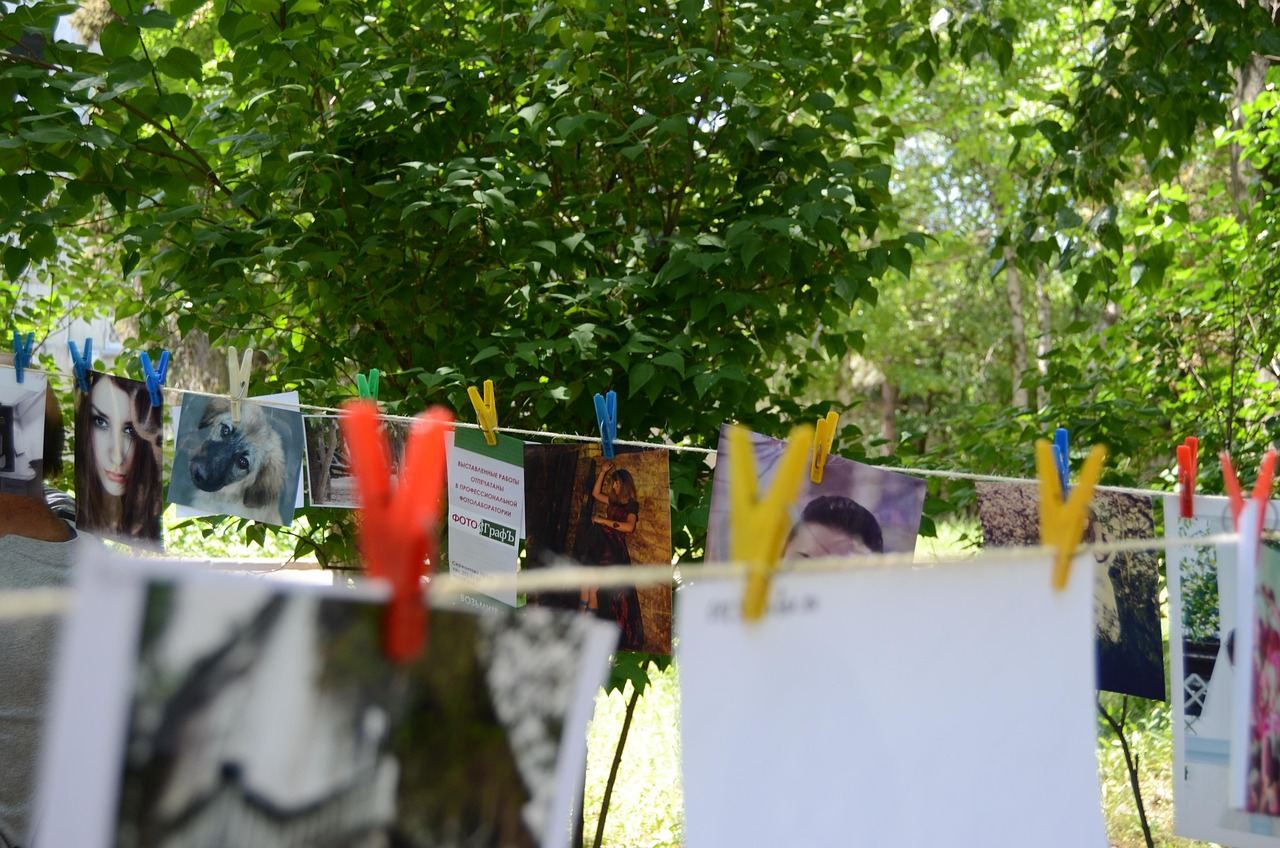
Framed prints in a row are the default, but the display can carry part of the idea. Capture magazine notes that composite photo murals, grid installs and large photographic mosaics can also be effective.
Other formats from that guide show how far a show can stretch:
- Projections, which make for an immersive experience.
- Paste-ups on the street, as an alternative to a gallery wall.
- A mobile gallery: the U Haul Gallery in New York is an exhibition space in a truck.
- A high-quality monitor for supplementary images that won’t fit on the walls but show the project’s breadth.
If framing is out of budget, Photography Icon points to frameless options such as face-mounted acrylic, standoff-mounted aluminum prints or gallery-wrapped canvas. Whatever you choose, consistency across the whole show gives a cohesive, professional appearance.
Match the venue to the idea
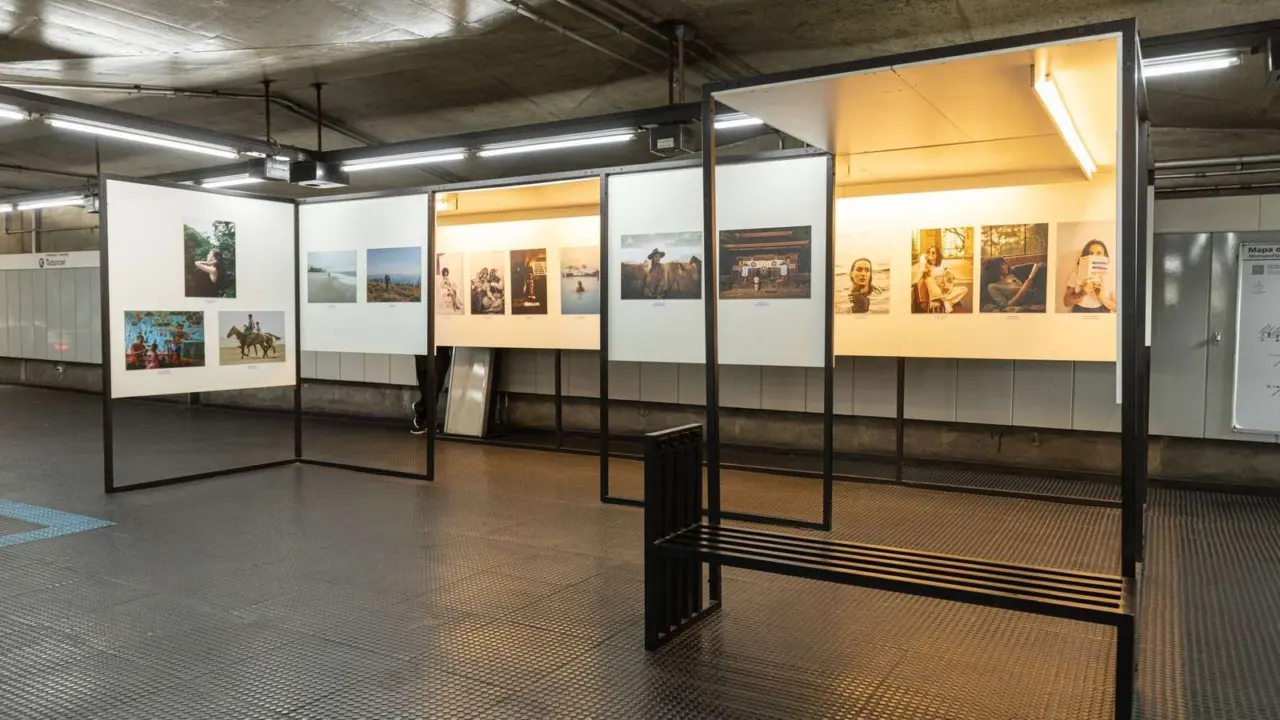
You don’t have to start in a high-end commercial gallery. Capture magazine calls cafes, libraries and small community spaces excellent starting points, with high foot traffic and lower financial risk.
Its small-scale suggestion is simple: do six to ten photos at A4 or A3, frame them yourself and hold a show at your local cafe. Adorama adds bars, restaurants, tea rooms, barber shops, boutiques, schools and public libraries to the list of possible venues.
If you book a traditional gallery, ask for a floor plan to plan your layout and review the contract. Capture magazine says venues generally use a flat rental fee, a sales commission (typically 40%-50%) or a hybrid of both. Commercial galleries usually host shows for two to four weeks, while public institutions often run exhibitions for several months or even a year.
If you plan an opening night, brush up on photo exhibition etiquette before the doors open.
Size the show to the walls
Count the prints after you know the room. Capture magazine says a small to mid-sized gallery typically accommodates 8 to 30 prints, depending on print size, and that images need negative space to breathe.
For print size, Photography Icon says 16×20 inches is often the minimum for solo shows, with hero images at 24×36 or larger. It also advises considering viewing distance, since a narrow hallway calls for smaller prints than a spacious gallery.
Paper affects how a theme feels, so read about the best paper for exhibition prints before you order. Then write a short artist statement: Photography Icon calls 150 to 300 words usually appropriate.
Frequently asked questions
Can I hold a photo exhibition without a gallery?
Show answer
Yes. Capture magazine lists cafes, libraries, small community spaces and even street paste-ups as exhibition spaces, and Adorama adds restaurants, schools and boutiques.
Should my first show be solo or a group show?
Show answer
Photography Icon suggests first-time exhibitors consider group shows or pop-ups because group shows spread the workload and cost. A solo show puts all the expenses and risks on you, as Adorama points out.
How many photos do I need?
Show answer
It depends on the venue. Capture magazine says a small to mid-sized gallery typically fits 8 to 30 prints, and a first cafe show can be six to ten photos at A4 or A3.
What if my theme has been done before?
Show answer
Capture magazine says that fear ignores the fact that every photographer has a unique visual signature. Your perspective and the current moment make the project your own.